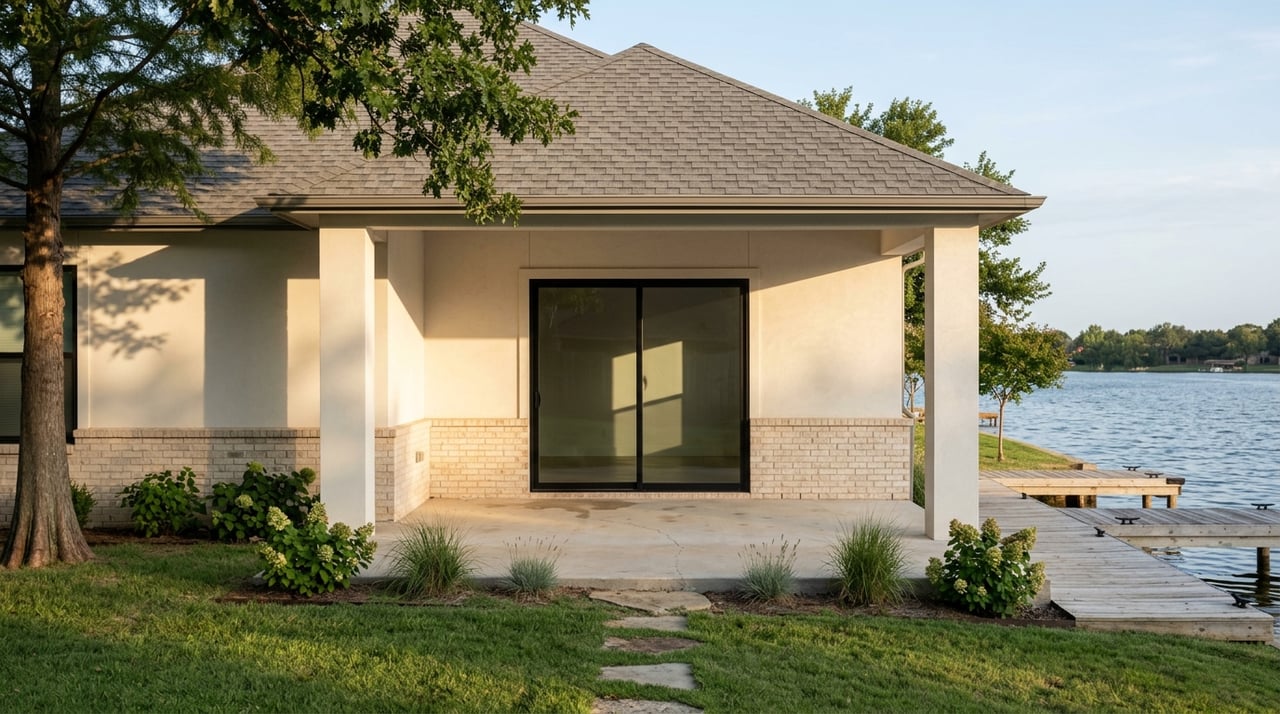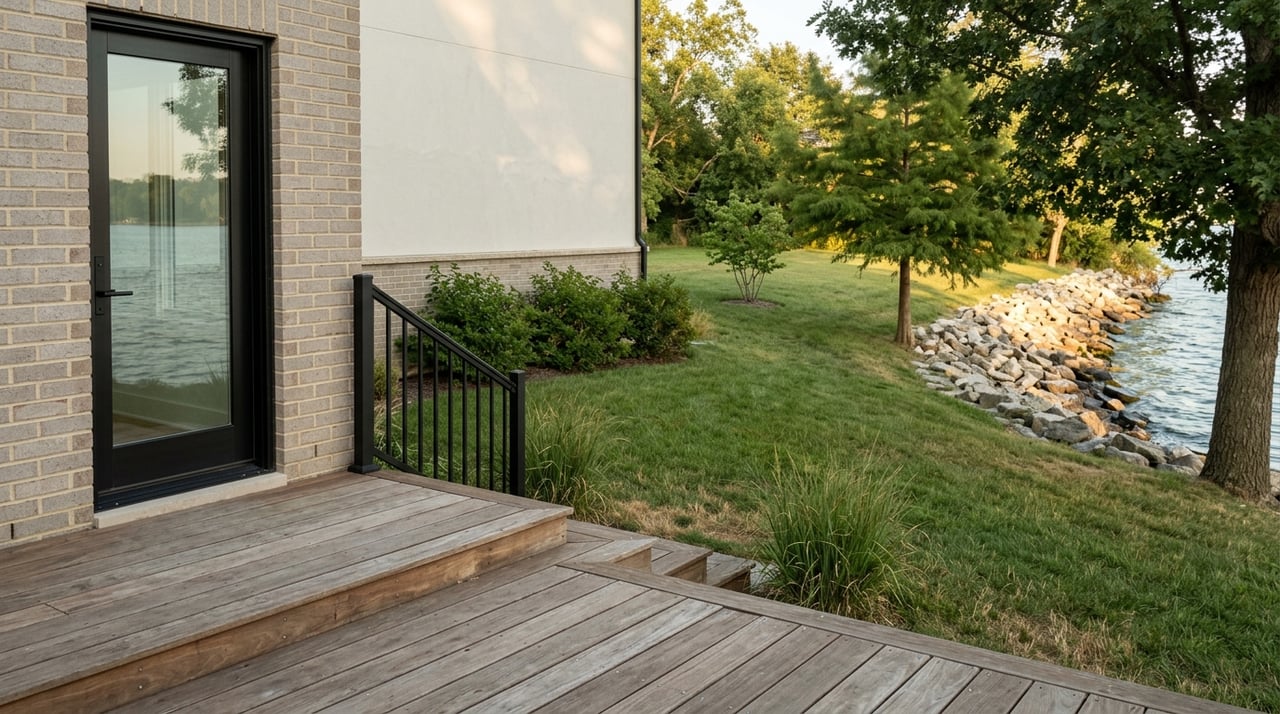
Dreaming about a place on Grand Lake is the fun part. The harder part is knowing what you are really buying when a lake home comes with shoreline rules, dock permits, flood questions, and utility details that can change from one address to the next. If you want to buy with confidence in Grand Lake Towne, this guide will walk you through the key steps, the most important tradeoffs, and the questions to answer before you make an offer. Let’s dive in.
Start With Your Ownership Plan
Before you compare views, docks, or lot sizes, decide how you plan to use the property. A Grand Lake home can work as a second home, a seasonal retreat, or a full-time residence, but each path affects your budget and your day-to-day responsibilities.
In Oklahoma, homestead rules apply to owner-occupied homestead property, and only one homestead exemption is allowed in a year. The exemption does not apply to non-homestead property, and new owners file with the county assessor. If the application is filed after March 15, the exemption begins the following tax year.
That matters because your annual costs may look very different depending on whether the home is your primary residence or not. A lake property budget can include more than the mortgage and taxes. You may also need to plan for dock permit fees, flood insurance, septic maintenance, and property-specific utility arrangements.
Ask These Use Questions First
- Will you use the home on weekends or live there year-round?
- Do you want low-maintenance ownership or are you comfortable with more hands-on upkeep?
- Are you buying for immediate enjoyment, long-term lifestyle goals, or both?
- Will primary-residence status affect your taxes and monthly carrying costs?
When you answer these questions early, it becomes much easier to narrow your search and avoid homes that do not fit how you actually want to live.
Understand Grand Lake Towne Pricing
Grand Lake is not one simple, uniform market. It is a large GRDA-managed reservoir with about 46,500 surface acres and 1,300 miles of shoreline, and that scale creates several smaller sub-markets with different price points and property types.
Public pricing data also needs context. Zillow notes that specific data for Grand Lake Towne are not currently available and that surrounding-area data are being used instead. At the county level, recent snapshots place Mayes County values in the low-$200,000s, with Redfin showing a median sale price of $221,000 and Zillow showing an average home value of $198,574.
Lake-specific listings tell a much wider story. Current Grand Lake Towne-area examples show land from about $40,000 to $125,000, lake homes around $390,000 to $699,900, and a cleared lakefront homesite listed at $1.1 million. In other words, your budget needs to reflect not just the area, but the exact combination of frontage, view, dock setup, improvements, and ownership costs.
Budget Beyond The Purchase Price
One of the biggest mistakes lake-home buyers make is focusing too heavily on the list price. At Grand Lake, the true cost of ownership is often where the important tradeoffs show up.
A lower-priced property may still carry meaningful ongoing costs if it needs flood insurance, septic work, dock updates, or specialized maintenance. On the other hand, a property with HOA dues may include services that reduce your day-to-day workload, such as lawn care, trash service, or dock and swim-dock service.
Common Ownership Costs To Review
- Property taxes through Mayes County
- Possible homestead treatment if owner-occupied
- Flood insurance, depending on the address and loan details
- Dock permit fees and transfer requirements
- Septic system maintenance and pumping
- Well or utility-related service needs
- HOA dues and what those dues actually cover
The best approach is to compare homes using the full annual cost, not just the sticker price. That gives you a more realistic picture of what ownership will feel like after closing.
Check Flood Risk By Address
Flood risk is one of the most important lake-home due diligence items, and it should never be based on assumptions. Two homes near each other can have different flood map designations, insurance needs, and risk profiles.
FEMA says the Flood Map Service Center is the official source for flood hazard maps. It also notes that flood insurance can be required for buildings in Special Flood Hazard Areas when the loan is federally backed, and that flood insurance is also available outside high-risk zones.
For you as a buyer, that means flood zone, elevation, and insurance cost should all be reviewed before your offer is finalized. This is not just a paperwork detail. It can affect affordability, lender requirements, and your comfort level with the property.
Review Dock And Shoreline Rules Early
At Grand Lake, the dock is often a major part of the lifestyle value, but it is also one of the most regulated parts of the purchase. If a property includes a dock or floating structure, you need to verify the permit status and transfer process before closing.
GRDA says every floating structure on the lake must be permitted or it is subject to removal. Private dock permits are annual, and a new owner must transfer the permit for an existing dock. GRDA also requires electrical certification for dock electrical work.
This is why you should never assume the dock simply stays with the property in a hassle-free way. You want clear answers on whether the dock is properly permitted, whether the permit can be transferred smoothly, and whether any electrical or structural issues need attention.
Dock Questions To Ask
- Is the existing dock currently permitted through GRDA?
- What steps are required to transfer the permit after closing?
- Has any dock electrical work been properly certified?
- Are there shoreline use limitations that affect how you can use the property?
These details can have a big impact on both enjoyment and future resale.
Verify Septic, Well, And Utility Setup
Not every Grand Lake property functions like a typical suburban home with standardized city services. That is why utility verification matters so much.
Grand Lake Towne lists Ketchum City Water & Sewer, Continental Refuse Service, and Northeast Oklahoma Electric Cooperative as local contacts. Even so, buyers should verify the exact providers for the specific property rather than assuming every address is set up the same way.
Septic questions are especially important in Oklahoma. The Oklahoma DEQ says homes and businesses commonly use on-site sewage systems, and that new installations or modifications must be inspected and approved by DEQ or by a certified installer. DEQ also says maintenance is the homeowner’s responsibility and periodic pumping is essential.
Utility And Septic Checklist
- Confirm water, sewer, electric, and trash service for the exact address
- Ask whether the home uses an on-site sewage system
- Review available septic permits and prior system records
- Understand maintenance responsibilities and pumping needs
- If applicable, ask about well evaluations and soil testing
A pretty lake view does not replace solid property systems. Verifying the basics protects you from expensive surprises.
Read HOA And CCR Details Carefully
Some lake communities offer conveniences that can make ownership easier, especially if you plan to use the property part-time. In some nearby listings, HOA-provided services include lawn care, trash service, and dock or swim-dock service.
That can be a major plus if you want less hands-on maintenance. But it also means you need to read the association documents closely so you understand what the dues cover, what restrictions apply, and whether any shared amenities involve separate transfer steps.
This is one of the biggest tradeoffs in Grand Lake buying. More service can mean easier ownership, but it can also mean more rules and recurring dues.
Plan For A Different Kind Of Maintenance
Lake homes offer access, views, and recreation that many buyers want for years. That lifestyle value is real, whether you are buying a weekend escape or making a full-time move.
The tradeoff is that lake homes usually come with more moving parts than a typical inland house. GRDA shoreline rules, annual permit renewal, flood review, septic questions, and more frequent exterior maintenance all create a different ownership experience.
That does not make a lake home a bad choice. It simply means you should go in with clear expectations. Buyers who understand the upkeep side of the equation tend to feel much better about their purchase over time.
Be Realistic About Resale Timing
If future resale matters to you, it is smart to think beyond the initial purchase. Waterfront and lifestyle properties can attract strong interest, but they can also be more niche, especially when features and shoreline setups vary from one property to another.
In Redfin’s March 2026 snapshot, Mayes County homes took a median 109 days to sell. That suggests both buyers and sellers should be prepared for a market that may require patience, especially for unique waterfront homes with fewer direct comparables.
A home with broad appeal, clear documentation, and well-managed ownership details may be easier to position later. That is another reason due diligence today can pay off again when it is time to sell.
Build The Right Lake-Home Team
A Grand Lake purchase often crosses several specialized areas at once. You are not only evaluating a house. You are also evaluating shoreline use, flood risk, dock documentation, utility setup, and tax implications.
That is why a lake-experienced team matters. The most helpful support usually includes a local agent, lender, insurance professional, title company, and specialists for septic or tax questions when needed.
When you have the right people helping you review the details, the process feels less overwhelming and much more manageable. That is especially valuable if you are buying remotely or balancing the purchase with a move from another area.
Buying a lake home at Grand Lake can be an exciting lifestyle move, but the best decisions come from looking past the view and into the full ownership picture. If you want help sorting through the tradeoffs, reviewing Grand Lake Towne options, and making sure the details line up with your goals, reach out to Heidi Ewing.
FAQs
What should I decide before buying a lake home in Grand Lake Towne?
- Decide whether the property will be a primary residence, second home, or seasonal retreat, because that affects taxes, budget, maintenance, and how the home needs to function year-round.
What price range should I expect for Grand Lake Towne properties?
- Available examples show a wide spread, including land around $40,000 to $125,000, lake homes around $390,000 to $699,900, and a cleared lakefront homesite listed at $1.1 million.
Does a Grand Lake dock automatically transfer with the property?
- No. GRDA says private dock permits are annual and must be transferred to the new owner for an existing dock.
Do I need flood insurance for a Grand Lake Towne home?
- It depends on the property address, flood map designation, and loan type. FEMA says flood insurance can be required in Special Flood Hazard Areas for federally backed loans, and it is also available outside high-risk zones.
What inspections matter most for a Grand Lake home purchase?
- Key reviews include flood map review, dock and permit review, septic evaluation, soil or well-related checks when applicable, and utility verification for the exact address.
Are utilities the same for every home in Grand Lake Towne?
- No. Buyers should confirm the specific water, sewer, electric, and trash setup for each property rather than assuming all homes use the same providers or service types.
Are HOA dues worth it for a Grand Lake property?
- They can be, especially if they cover services like lawn care, trash, or dock-related upkeep, but you should review exactly what the dues include and what rules apply before you buy.