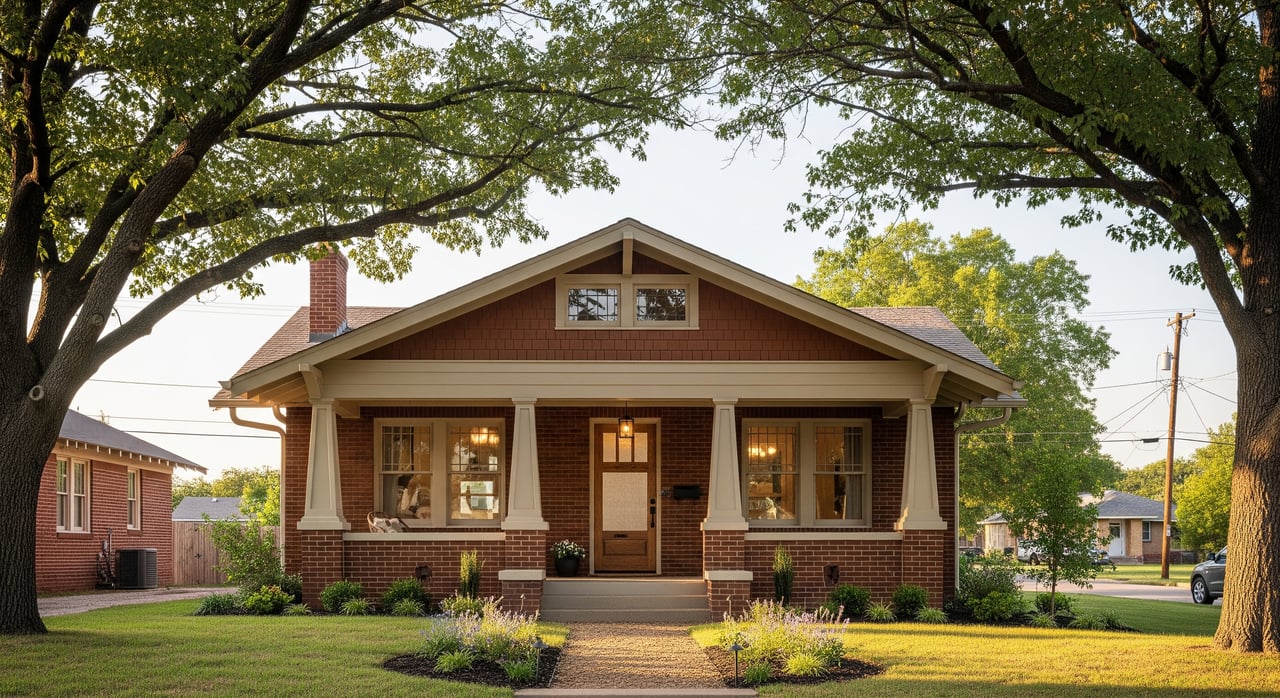
Looking for a quieter place without giving up Tulsa convenience? Sapulpa offers that blend. You get a small‑town pace with historic character, plus practical access to jobs, healthcare, and entertainment across the metro. In this guide, you’ll see what day‑to‑day life looks like, how long the commute can be, what kinds of homes you’ll find, and the practical tips you need to decide if Sapulpa fits your lifestyle. Let’s dive in.
Sapulpa at a glance
Sapulpa sits southwest of Tulsa along historic Route 66, with city limits in both Creek and Tulsa counties. It is part of the Tulsa metro, so you can reach major employers and services without living in the middle of city traffic. The community counts a population of roughly 20,000, which helps explain its relaxed feel and local connections.
The city’s identity draws from rail history, manufacturing roots, and a clear Route 66 presence. You’ll see it in downtown storefronts, murals, and seasonal visitors who stop to experience classic Americana.
Day‑to‑day life
Downtown charm on Route 66
Downtown Sapulpa is a natural starting point. Expect independent shops, local cafes and diners, and historic buildings with character. Route 66 signs and murals add to the sense of place. Weekends tend to bring a steady trickle of locals and road‑trippers, plus community events throughout the year.
Parks and outdoor time
Around town, you’ll find city parks with playgrounds, ball fields, and walking paths. The broader region expands your options with lakes and state parks within a reasonable drive for boating, fishing, or a picnic. It’s a simple setup for getting outside without a long itinerary.
Dining, groceries, and services
You can handle daily errands in Sapulpa, including groceries, pharmacies, and personal services. Basic medical clinics and urgent‑care options are available locally, while specialized care and larger hospitals are a short drive into Tulsa. This mix lets you keep weekday life simple and save big trips for when you need them.
Community events and culture
Community life shows up in annual festivals, parades, holiday celebrations, and local performances. You’ll also see volunteer groups and civic organizations shape the calendar. It creates a steady rhythm for meeting people and getting involved at your own pace.
Commute and getting around
Drive times to Tulsa
Most Sapulpa residents rely on personal vehicles. Typical commutes to central Tulsa generally run about 20 to 40 minutes, depending on your exact start and end points and time of day. Major state and U.S. highways connect Sapulpa to Tulsa job centers, shopping, and entertainment.
Transit, airport, and regional travel
Public transit within Sapulpa is limited compared with larger cities, and regional bus connections into Tulsa are sparse. If you travel often, Tulsa International Airport is the closest option for commercial flights. For daily life, a car remains the most practical way to get around.
Housing and neighborhoods
Home styles and lot character
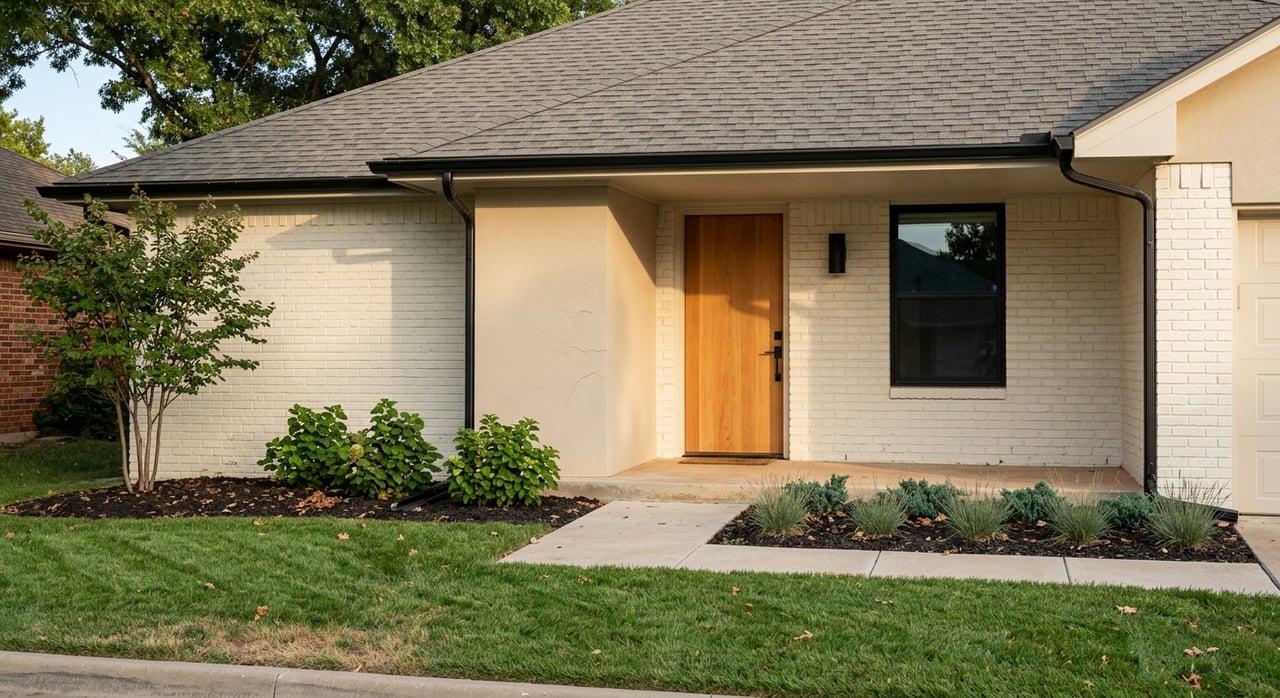
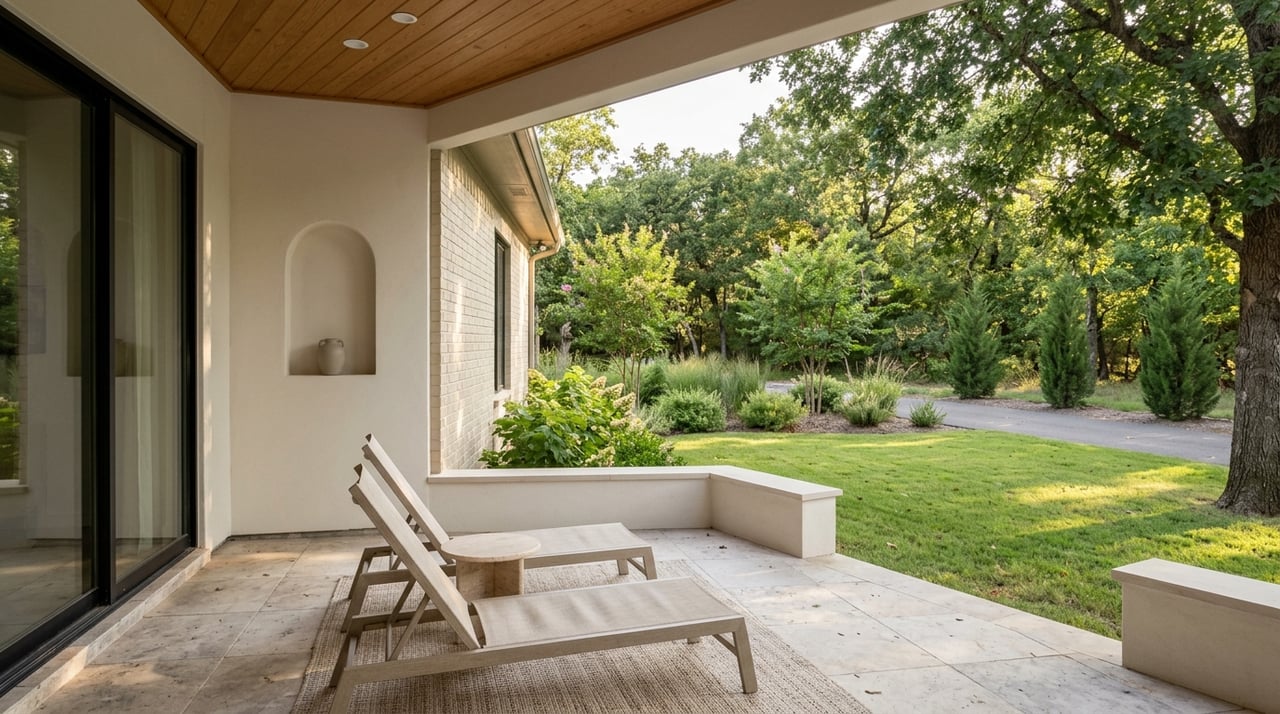
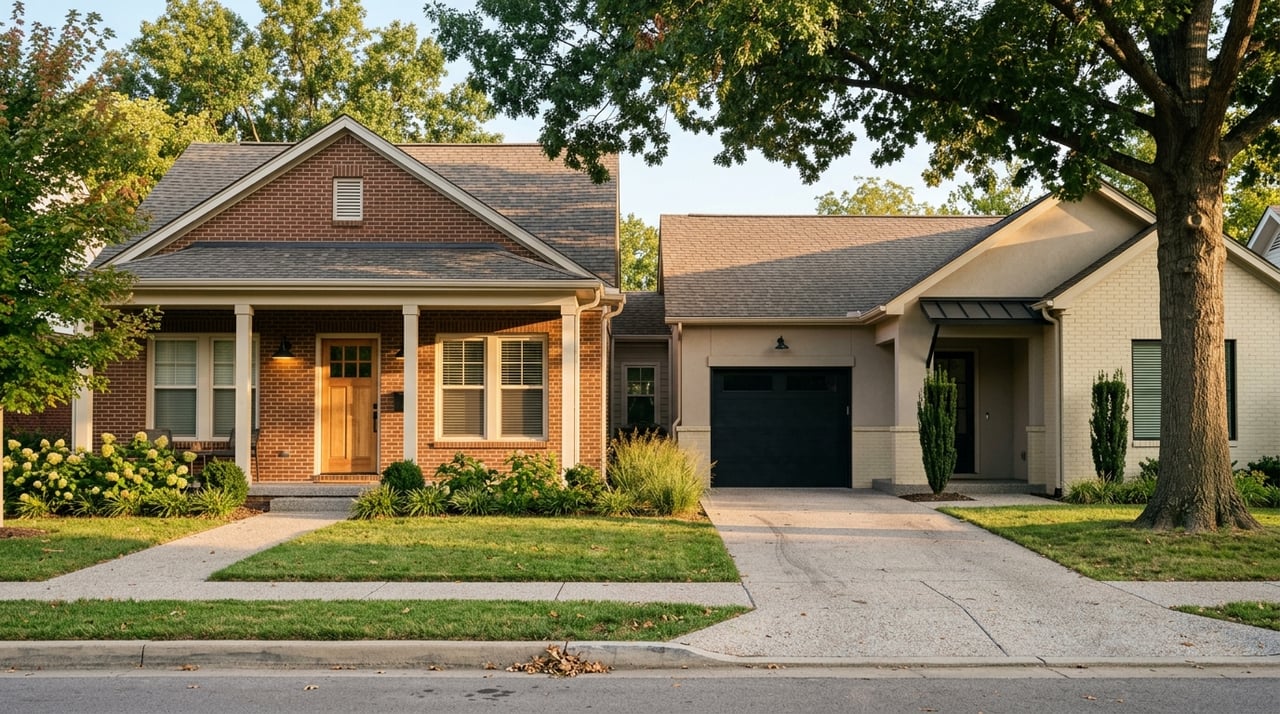
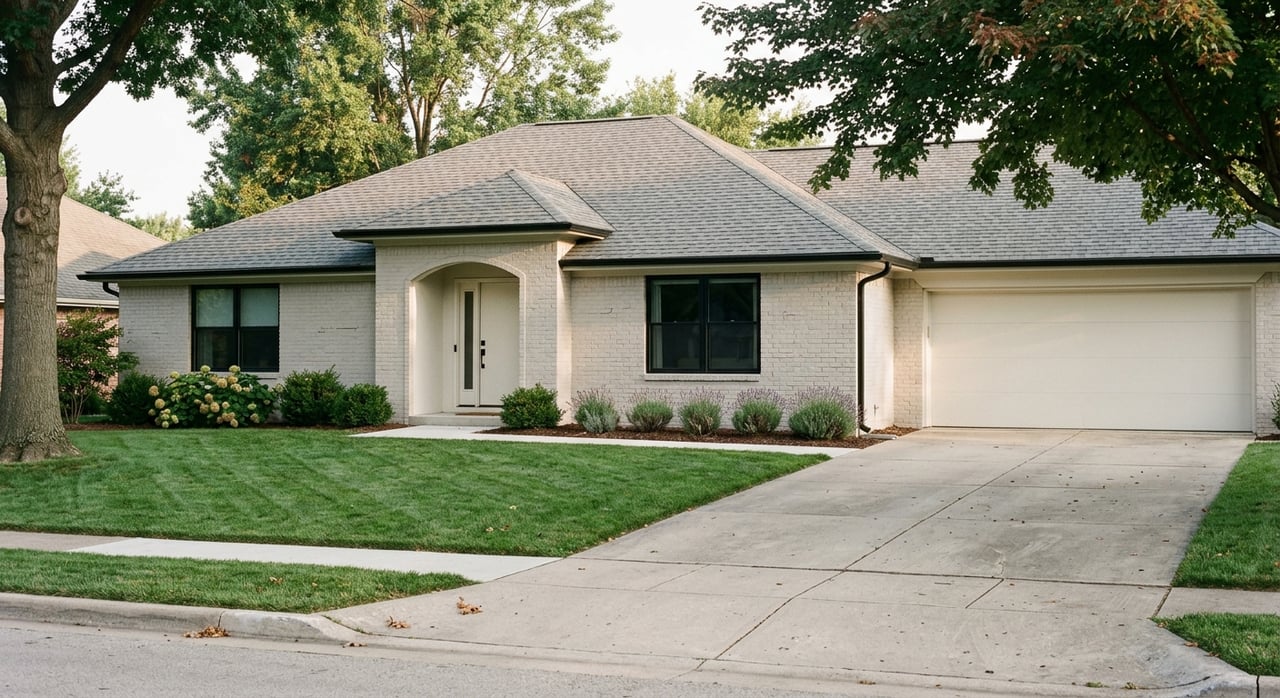
Housing in Sapulpa ranges from older single‑family homes near downtown to mid‑century properties and newer subdivisions at the edges of town. Lots are often larger than what you see in denser Tulsa neighborhoods, which appeals if you value a bit more yard space. You will also find some rental options dispersed across the city.
Affordability and market trends
Historically, Sapulpa has offered lower median home prices than many Tulsa neighborhoods and some nearby suburbs. Market conditions shift, so it helps to look at current data on median sale price, days on market, and inventory before you shop. If you are comparing renovation‑ready homes with newer builds, factor in maintenance and upgrade costs to keep your budget realistic.
Picking your area
If you want quick access to local shops and dining, downtown‑adjacent blocks can put you close to the action. If commuting is the priority, neighborhoods with easy highway access may shorten your drive. Newer subdivisions typically offer more recent construction and a suburban feel, while historic streets trade on character and established trees.
Schools overview
Sapulpa Public Schools serves most of the city, with elementary, middle, and high school campuses in the district. Some households look at private or charter options across the broader Tulsa area. For the clearest picture, review official district resources, visit schools, and confirm current boundary maps and report cards directly with the district.
Practical considerations
Utilities, services, and taxes
City utilities, trash pickup, and service levels vary by address, especially along the city edges. Property tax rates are set at the county level. Before you write an offer, verify utility providers, average monthly costs, and parcel‑specific tax information so there are no surprises after closing.
Internet and work‑from‑home readiness
Broadband access can differ by neighborhood. If you plan to work from home or stream frequently, confirm available internet providers and speeds for the exact address you are considering. Ask about fiber or higher upload tiers if video calls are part of your routine.
Safety and public services
As you evaluate neighborhoods, review recent crime statistics from official sources and note the locations of nearby fire stations and police services. Touring at different times of day can help you understand traffic patterns, lighting, and general activity on the streets.
Resale and long‑term value
Proximity to Tulsa anchors buyer demand in Sapulpa, particularly for commuters and first‑time purchasers. Long‑term value often tracks with regional job growth, infrastructure improvements, and continued downtown revitalization. Choosing a home with broad appeal and strong maintenance records can support resale down the road.
A simple first‑visit game plan
Use this quick plan to get a feel for life in Sapulpa:
- Start with coffee downtown and walk a few blocks to see storefronts and murals.
- Visit a neighborhood park to gauge activity and amenities.
- Drive a sample commute to your likely Tulsa destination during peak hours.
- Tour one historic area and one newer subdivision to compare home styles.
- Map schools that serve the areas you like and confirm boundaries.
- Wrap up with groceries or a quick errand to test everyday convenience.
Ready to explore homes?
If Sapulpa’s balance of quiet streets and metro access sounds right for you, let’s put a plan together. The Magnolia Group offers buyer and seller representation, relocation support, and step‑by‑step guidance for first‑time purchasers across the Tulsa metro. Reach out to Heidi Ewing to start your search or to talk through neighborhoods and next steps.
FAQs
How far is Sapulpa from downtown Tulsa?
- Most drives to central Tulsa take about 20 to 40 minutes, depending on your route and traffic.
What is downtown Sapulpa like on weekends?
- You’ll usually find steady foot traffic at local shops and diners, with Route 66 visitors and occasional community events adding to the buzz.
Are there parks and outdoor options nearby?
- Yes. Sapulpa has city parks for everyday use, and the wider region includes lakes and state parks for boating, fishing, and day trips.
What kinds of homes will I find in Sapulpa?
- Expect a mix of older single‑family homes with character, mid‑century properties, and newer subdivisions, often with larger lots than denser Tulsa neighborhoods.
Which schools serve Sapulpa?
- Sapulpa Public Schools is the primary district. Always check the latest district resources for campus details, boundaries, and report cards before you decide on a neighborhood.